What Product Photos and Spec Tables Can’t Tell You
When you open a product page for a Sg vape disposable, you are not just looking at a product — you are reading an argument. The seller is making a case that this device is worth your money, and the evidence is laid out in photos, specifications, and carefully chosen words. But like any argument, a product listing has both evidence and gaps. Learning to read those gaps is what separates a confident buyer from a disappointed one.
This guide examines what product photos and spec tables can and cannot prove, using examples from vape retail listings — including Lana items — to show where the evidence is strong and where it thins out. The goal is not to distrust every listing, but to know which questions a page answers and which ones it quietly leaves open.
What Product Photos Can Prove — and What They Cannot
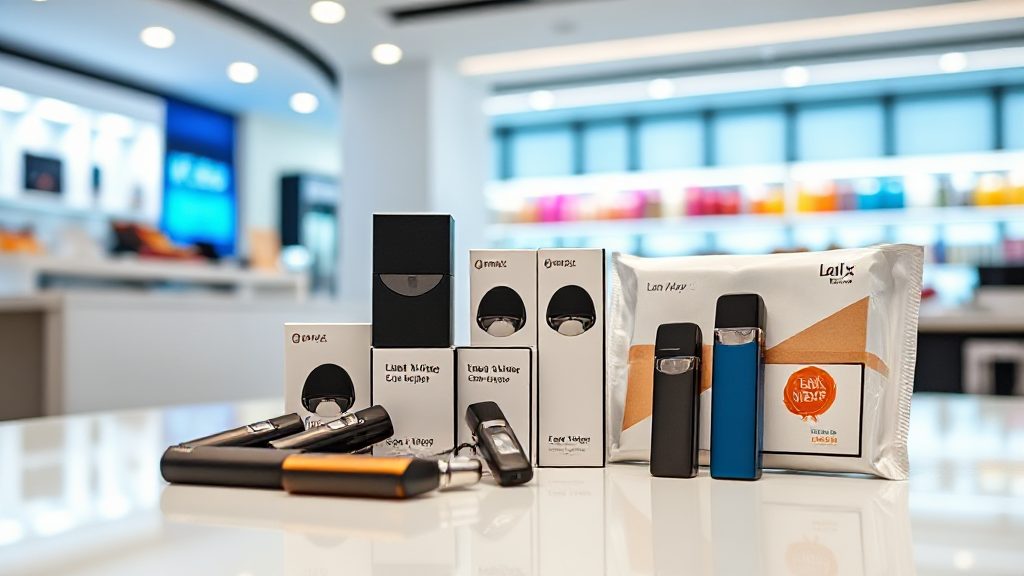
Photos are the first thing a buyer scans, and they do real work. A clear, well-lit image of a disposable vape in its retail packaging can confirm the product exists, show its general shape and color, and give a sense of build quality. When a listing shows multiple angles — front, back, mouthpiece, base — it signals that the seller is willing to be inspected. That is meaningful evidence, even if it is not conclusive.
What photos cannot prove is authenticity. A counterfeit can be photographed just as beautifully as a genuine device, and a stolen image can be reused across dozens of listings. The visual difference between an authentic Lana pod and a convincing copy is often invisible at web resolution. This is why a photo alone should never be treated as proof of origin — it is a starting point, not a verdict.
Reading the details that photos hide
Scale is another gap. A disposable vape photographed on a clean surface can look larger or smaller than it actually is, and without a hand or a ruler in frame, you are guessing. Weight, grip, and mouthpiece feel are entirely absent from an image. For buyers who care about pocketability or draw comfort, the photo tells you almost nothing.
Lighting and editing also shape perception. A device that looks matte and premium under studio light may feel plasticky in hand. Saturated colors may be enhanced. None of this is necessarily dishonest, but it means the image is a representation, not a guarantee. Treat photos as evidence of design intent, not as evidence of performance.
What a strong photo set looks like
A strong listing includes consistent backgrounds, multiple angles, and at least one image of the packaging as it would arrive. It does not rely on manufacturer renders alone. When a seller like vape supplier singapore shows the actual unit alongside its box, that consistency is a small but real signal of operational care.
What Specification Tables Can Prove — and What They Leave Out
Spec tables feel more objective than photos, and in some ways they are. A listed puff count, battery capacity, and e-liquid volume are concrete numbers you can compare across products. If one disposable claims 8000 puffs and another claims 1500, the table has done its job by making the difference visible. Numbers are useful because they are checkable against the manufacturer’s published data.
But spec tables have their own blind spots. Puff counts are measured under laboratory conditions that almost no real user replicates. A 6000-puff claim assumes a specific draw length and interval; a heavy user may get half that. The number is not a lie, but it is a best-case scenario, and listings rarely explain the test conditions behind it.
The numbers that matter most
For disposable vapes, the most decision-relevant specs are usually e-liquid volume, nicotine strength, battery type (rechargeable or not), and coil resistance where listed. These affect how long the device lasts and how it performs near the end of its life. A table that includes them is more useful than one that only repeats the puff count in larger font.
What the table rarely tells you is flavor accuracy. Two devices with identical specs can taste completely different depending on coil design and e-liquid formulation. That is a sensory quality that no specification can capture, and it is why buyer reviews and sampling matter more than any number on the page.
Where spec tables get thin
Thin listings often omit the boring but important details: charging port type, whether the device is draw-activated or button-fired, and the exact nicotine formulation. When a page lists only the puff count and a flavor name, it is giving you marketing, not specification. A listing that includes the full hardware picture is usually maintained by a seller who understands the product — a pattern you can look for when comparing SG Vape same day delivery options.
The Gaps Neither Photos Nor Specs Can Close
Even a listing with excellent photos and a thorough spec table leaves several questions unanswered. The biggest is authenticity and sourcing. Neither a image nor a table can prove that the device in the box is genuine, that it was stored correctly, or that it has not been sitting in a hot warehouse for months. Those are supply-chain facts, and they live outside the product page.
Delivery reliability is another gap. A page can promise fast shipping, but the proof is in the order experience, not the listing copy. Buyers comparing Singapore vape delivery services should look for sellers who are explicit about cut-off times, courier partners, and what happens when a parcel is delayed. Vague promises are a warning sign; specific ones are a form of accountability.
Payment and after-sales support
Cash on delivery is a meaningful buyer protection in markets where it is offered, because it shifts some risk back to the seller. A listing that mentions COD is telling you something about how it handles trust. Likewise, a clear return or defect policy is more valuable than any product photo, because it governs what happens when the device fails — and some will.
After-sales support is where thin listings really show their weakness. If the page has no contact method, no response-time expectation, and no policy, the buyer is exposed. When evaluating sg vape delivery sellers, treat the presence of real support information as part of the product, not an afterthought.
Brand consistency as a signal
Brand-specific listings are easier to verify than generic ones. A page that clearly identifies a Lana product, shows the matching packaging, and lists the correct model name gives you something to cross-check. That is why buyers searching for sg vape lana should compare the listing’s model naming against the manufacturer’s own materials before ordering.
Consistency across a seller’s catalog matters too. If every product page uses the same template, the same photo style, and the same level of detail, that consistency suggests a managed operation rather than a dropshipper copying images. Inconsistent pages — one detailed, one bare — suggest uneven attention.
What the page cannot tell you about fit
Finally, no listing can tell you whether a device suits your draw preference, your nicotine tolerance, or your flavor profile. Those are personal variables. The page can inform the decision, but it cannot make it. Buyers who expect a product page to answer every question will always be slightly disappointed; buyers who know which questions to ask elsewhere will not.
This is why experienced buyers treat listings as a filter rather than a finish line. They use photos and specs to narrow the field, then rely on seller reputation, delivery terms, and support quality to make the final call. A seller that is transparent about lana vape delivery timing and product sourcing is giving you more evidence than any single photo ever could.
Before you order, run a quick mental checklist in prose: does the photo set show the actual product and packaging, not just a render? Does the spec table include e-liquid volume, nicotine strength, and battery details, or only a puff count? Does the listing name the model precisely enough to cross-check? Does the seller state delivery cut-offs, payment options, and a support channel? If any of those answers is missing, you have found a gap — and gaps are where disappointment lives. Read the page as an argument, weigh its evidence, and buy from the seller who leaves the fewest questions open.